Table of Contents
- How Heat Pump Pool Heaters Work
- Heat Pump vs Gas Pool Heater Cost Comparison
- Solar Pool Heating vs Heat Pump: Which Delivers Better ROI
- Operating Costs and Energy Efficiency
- Climate Considerations for Heat Pump Performance
- Installation, Lifespan, and Maintenance Reality
- Is a Heat Pump Pool Heater Right for Your Situation?
- Conclusion
- Frequently Asked Questions
Last Updated: September 24, 2026
How Heat Pump Pool Heaters Work
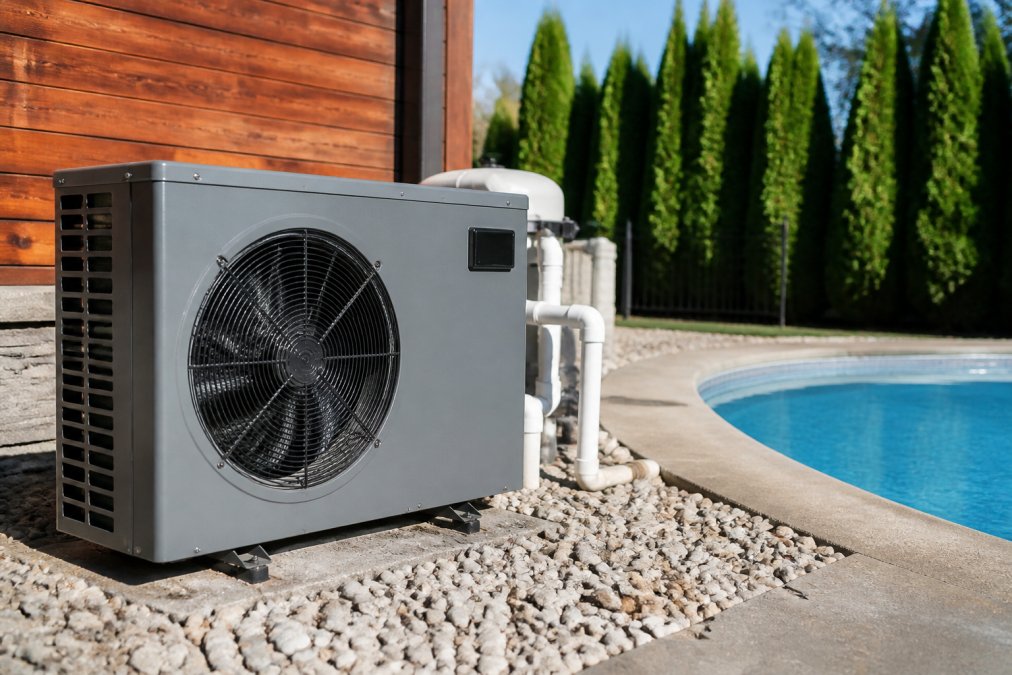
A heat pump pool heater is a device that extracts thermal energy from the surrounding air and transfers it to your pool water, extending your swimming season without relying on gas or electric resistance heating. Unlike traditional gas heaters that burn fuel to generate heat, heat pumps use a refrigerant cycle to move existing heat from the air into your pool, making them far more energy-efficient for moderate climates.
The process works through four core components: a compressor, an evaporator coil, a condenser coil, and an expansion device. The evaporator coil pulls ambient air temperature across its surface, absorbing thermal energy even on cooler days. The compressor then pressurizes the refrigerant, raising its temperature significantly. That heated refrigerant passes through the condenser coil, where it releases its warmth into your pool water. The cycle repeats continuously until your pool reaches the desired temperature.
This heat transfer mechanism is why a heat pump pool heater delivers superior efficiency compared to electric resistance heating. Instead of converting electricity directly into heat (1:1 ratio), heat pumps move existing heat at a coefficient of performance that typically ranges from 3:1 to 5:1, depending on air temperature and system design. In practical terms, you’re getting three to five times more heating output per unit of electrical input.
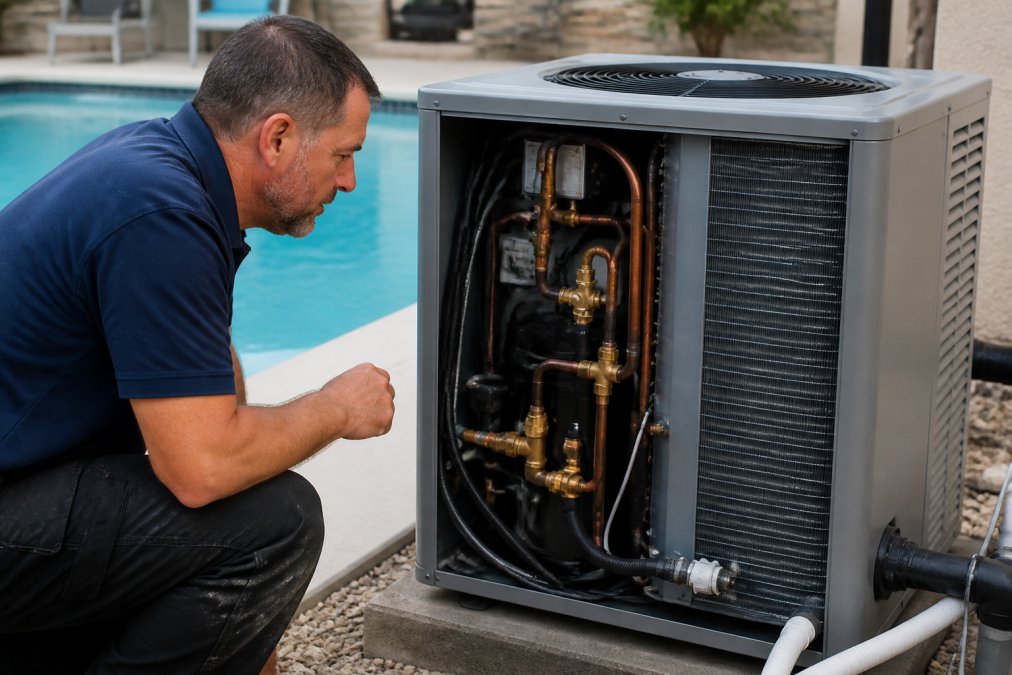
The efficiency advantage matters most in climates where you’re heating during mild seasons, spring, fall, and early winter. Dixie Pool Solar Heating & Misting has helped Southern Utah homeowners understand that a heat pump pool heater works best when ambient air temperatures stay above 50°F. Below that threshold, the system must work harder to extract thermal energy, reducing its coefficient of performance and increasing operational costs.
Heat Pump vs Gas Pool Heater Cost Comparison
When comparing a heat pump pool heater to a traditional gas heater, the upfront investment and long-term operating costs paint very different pictures. Gas heaters typically cost less to install, often $2,000 to $4,000 for a quality unit, but they consume natural gas at a rapid rate, especially during peak heating season.
Operating costs reveal where the comparison shifts decisively. A gas pool heater might cost $100 to $300 per month during active heating months, depending on gas prices, pool size, and how aggressively you’re raising water temperature. A heat pump pool heater, by contrast, uses electricity at a fraction of that rate. The monthly operating cost typically ranges from $30 to $80, depending on your local utility rates and how often the system runs.
Over a five-year period, many homeowners find that the lower operating costs of a heat pump pool heater offset its higher upfront installation cost. While the initial investment for a heat pump system is typically $3,500 to $6,000 or more, the energy savings accumulate quickly. A homeowner paying $200 per month with gas saves roughly $1,800 annually by switching to a heat pump, money that compounds year after year.
| Heating Method | Upfront Cost | Monthly Operating Cost | Annual Operating Cost | 5-Year Total Cost |
|---|---|---|---|---|
| Gas Heater | $2,000-$4,000 | $100-$300 | $1,200-$3,600 | $8,000-$22,000 |
| Heat Pump | $3,500-$6,000 | $30-$80 | $360-$960 | $5,300-$10,800 |
| Solar + Heat Pump | Higher upfront | Near $0 | $0-$200 | Varies by system |
The payback period for a heat pump pool heater typically falls between three and seven years, depending on your current heating method, local energy prices, and how intensively you use your pool. After the payback period, you’re essentially heating your pool at minimal cost for the remainder of the system’s lifespan.
Solar Pool Heating vs Heat Pump: Which Delivers Better ROI
This is where the comparison gets interesting. Solar pool heating and heat pump technology serve different roles, and the best choice depends on your climate, budget, and long-term goals.
Solar thermal pool heating systems, like those installed by Dixie Pool Solar Heating & Misting, use rooftop or ground-mounted panels to capture the sun’s thermal energy and transfer it directly to your pool water. Once installed, solar heating has essentially zero operating costs. You’re not paying for electricity or gas; you’re harnessing free energy from the sun. The Heliocol panels used in professional installations deliver exceptional durability, lasting 20+ years with minimal maintenance.
Heat pump pool heaters, meanwhile, provide consistent heating regardless of cloud cover or season. On a cloudy spring day when solar panels are underperforming, your heat pump continues extracting thermal energy from the air and warming your pool. This reliability makes heat pumps ideal for homeowners who want predictable heating performance.
The ROI comparison reveals a nuanced picture. Solar systems have higher upfront costs but zero operating expenses, creating an exceptional long-term return when you factor in available incentives. Many homeowners qualify for a Utah State 25% or $2,000 State Tax Credit, plus an Enbridge Gas $750 Gas Rebate when transitioning away from gas heating. These incentives significantly accelerate the payback period for solar thermal systems.
A heat pump pool heater offers faster initial heating and lower upfront installation costs, but it requires ongoing electricity payments. Over 10 to 15 years, the cumulative operating costs of a heat pump can approach or exceed the upfront investment in a solar system.
For Southern Utah’s abundant sunshine, solar thermal heating delivers superior ROI over a 10+ year horizon. The combination of high solar irradiance, long heating seasons (March through November), and available tax incentives makes solar the most cost-effective choice for homeowners committed to long-term pool ownership.
Operating Costs and Energy Efficiency
The energy efficiency advantage of a heat pump pool heater centers on its coefficient of performance, the ratio of heat delivered to electrical energy consumed. A well-maintained system operating in optimal conditions can achieve a COP of 4:1 to 5:1, meaning four to five units of heat output for every unit of electrical input.
This efficiency depends heavily on ambient air temperature. When the air is 70°F and sunny, your heat pump operates at peak efficiency. When the air drops to 50°F, the system must work harder, and efficiency declines. Below 40°F, many heat pump pool heaters become impractical, as the energy cost per degree of heating rises sharply.
Your local utility rates directly impact the monthly operating cost. If your electricity rate is $0.12 per kilowatt-hour, heating a 15,000-gallon pool by 10°F might cost $25 to $40. If your rate is $0.18 per kilowatt-hour, that same task costs $35 to $60. This is why homeowners in areas with higher energy costs often see faster payback periods, the savings are more dramatic.
Maintenance requirements for a heat pump pool heater are minimal compared to gas heaters. You’ll need occasional filter cleaning and annual inspection of the refrigerant system, but there’s no combustion, no gas line maintenance, and no annual servicing of a burner. This low-maintenance reality appeals to homeowners seeking a long-term heating solution that doesn’t demand constant attention.
Climate Considerations for Heat Pump Performance
Geography determines whether a heat pump pool heater is truly worth the investment. In Southern Utah, the climate is exceptionally favorable for heat pump operation. The region receives abundant sunshine, moderate humidity, and relatively mild temperatures during the shoulder seasons when pool heating is most critical.
During March and April, when many homeowners want to start using their pools, daytime air temperatures often reach 55°F to 65°F.
Installation, Lifespan, and Maintenance Reality
Installing a heat pump pool heater requires professional expertise. The system must be properly sized for your pool’s volume, integrated with your existing filtration system, and electrically connected to a dedicated circuit. Installation typically takes one to three days, depending on your pool’s configuration and existing equipment.
Is a Heat Pump Pool Heater Right for Your Situation?
A heat pump pool heater makes sense if you meet several criteria: your pool is used during mild seasons, you’re comfortable with moderate heating speeds, and you want to minimize operating costs over a 10+ year ownership horizon. The system excels at maintaining water temperature rather than rapidly raising it from cold to warm.
Conclusion
A heat pump pool heater is worth the investment if you’re heating during mild seasons, you prioritize energy efficiency, and you plan to own your pool for at least five years. The lower operating costs and minimal maintenance demands create genuine long-term savings compared to gas heating. However, if you want rapid temperature rise or live in a harsh winter climate, alternative heating methods may serve you better.
Frequently Asked Questions
How does a heat pump compare to a gas pool heater in terms of monthly costs?
Heat pumps typically cost 70-80% less to operate than gas heaters because they move existing heat rather than generating new heat through combustion. A gas heater burns fuel to create warmth, consuming significant energy; a heat pump’s coefficient of performance (COP) means it transfers 3-5 units of heat for every unit of electricity used. Monthly operating costs depend on your local electricity rates, climate, and heating needs, but heat pumps consistently deliver lower utility bills over a season.
What are the downsides of using a heat pump pool heater?
The main drawbacks are higher upfront installation costs, slower heating speed in cold weather, and reduced efficiency when ambient air temperature drops below 50°F. Heat pumps also require adequate space for outdoor unit placement and may generate noise during operation. In cooler climates, you might need a backup heating source for early spring or late fall. However, the long lifespan and minimal maintenance requirements offset these concerns for most homeowners planning multi-year ownership.
Do heat pumps work effectively in cooler climates?
Heat pumps lose efficiency as ambient air temperature drops, making them less effective in very cold regions. In moderate climates where winter temperatures stay above 40-50°F, they perform well. For areas with harsh winters, heat pumps may struggle to maintain desired water temperature without extended run times, increasing energy consumption. If you’re in a region with extended cold seasons, a hybrid approach combining a heat pump with solar thermal panels or gas backup heating can maximize performance and extend your pool season cost-effectively.
What maintenance is required to keep a heat pump pool heater efficient?
Heat pump maintenance is minimal compared to gas heaters. Clean the outdoor unit’s intake grille quarterly to prevent airflow blockage, check refrigerant lines for leaks annually, and ensure proper water chemistry to prevent scale buildup in the heat exchanger. Most units require professional servicing every 2-3 years. Unlike gas heaters with regular inspections and part replacements, heat pumps rarely need repairs when properly maintained, making them a low-maintenance heating solution over their 10-15 year lifespan.


Leave a comment