Table of Contents
- How Solar Pool Heaters Work and What You’re Paying For
- Average Cost of Solar Pool Heating Systems
- Factors Influencing Installation Costs
- Solar Pool Heating System Lifespan and Durability
- DIY vs Professional Solar Pool Heater Installation
- Energy Savings and Return on Investment
- Solar Pool Heater Installation Near Me: Finding Local Expertise
- Tax Credits, Rebates, and Incentives
Last Updated: August 28, 2026
How Solar Pool Heaters Work and What You’re Paying For
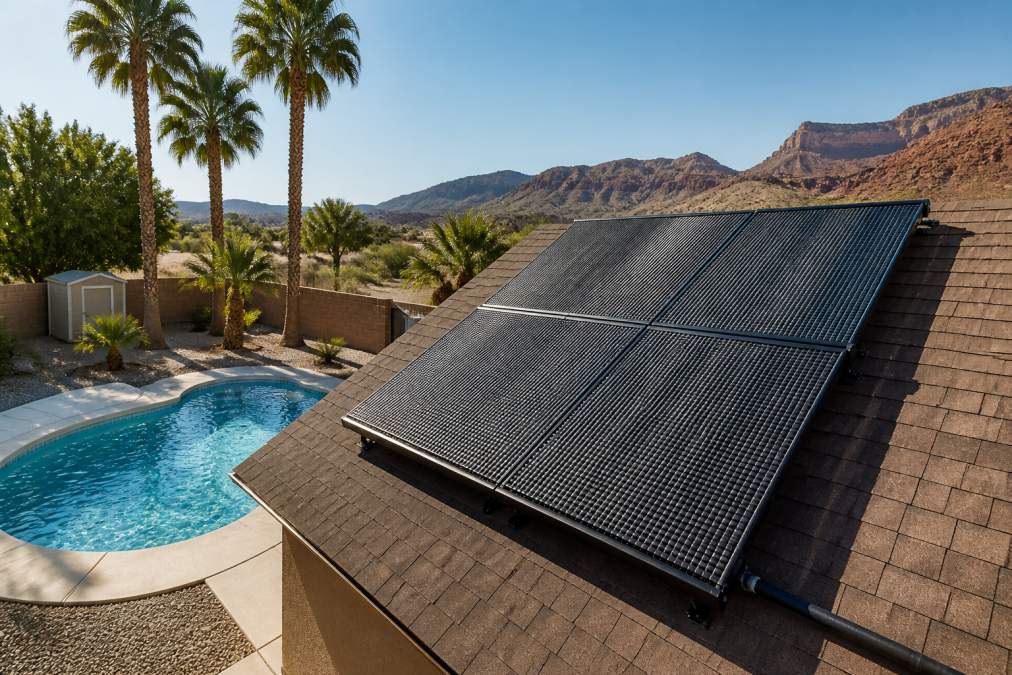
Solar pool heating systems harness the sun’s thermal energy through solar thermal collectors mounted on your roof, circulating pool water through these panels to absorb heat before returning it to your pool. Unlike photovoltaic solar systems that generate electricity, solar thermal collectors work through direct heat transfer, the sun warms fluid inside the panels, and that warmth transfers directly to your pool water. This fundamental difference matters because thermal systems operate with no moving parts in the collector itself, making them exceptionally durable and low-maintenance.
The system includes solar thermal collectors, a differential thermostat that controls water flow through the panels, a flow control valve, and integration with your existing pool pump and plumbing. When the sun heats the collectors to a temperature higher than your pool water, the thermostat triggers the pump to circulate water through the panels. Once your pool reaches the desired temperature, the system shuts down automatically.
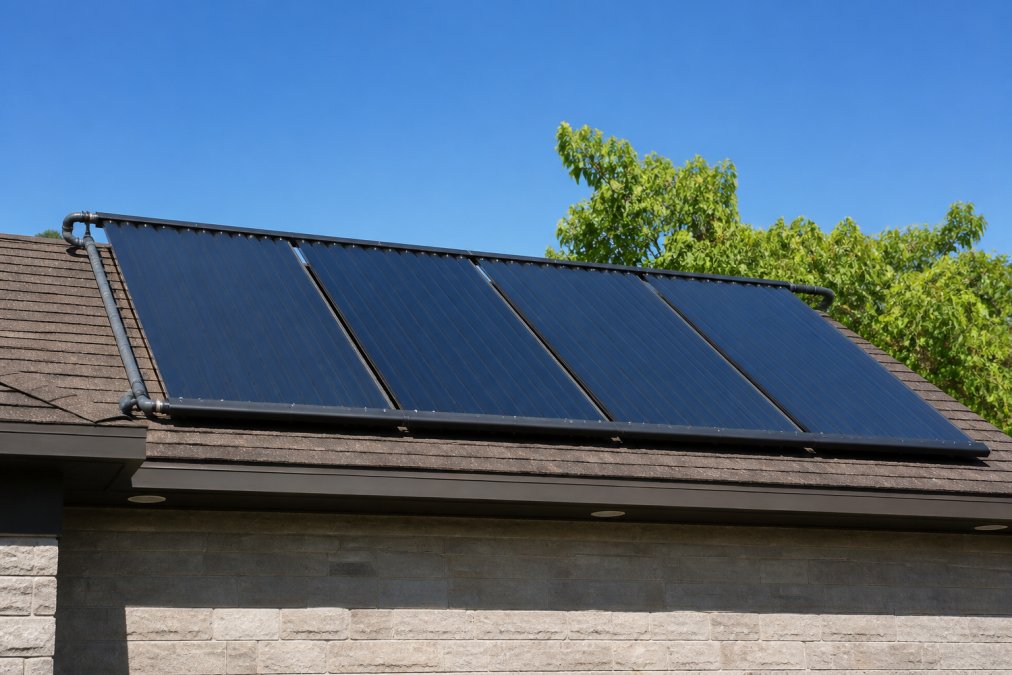
When evaluating installation costs, you’re paying for three things: the solar thermal collectors, integration labor to connect the system to your existing pool equipment, and control systems that manage heat transfer efficiently. Quality panels like Heliocol industrial-grade systems are engineered to last 20+ years, which dramatically affects the real cost per year of operation (peer-reviewed research). At Dixie Pool Solar Heating & Misting, we focus on systems that deliver consistent performance across Southern Utah’s climate, where spring and fall temperatures make seasonal heating critical for extending your swimming season from March through November.
The collector efficiency rating, how much of the sun’s energy the panels actually capture, directly influences upfront cost and annual savings. Higher-efficiency collectors cost more initially but deliver faster heating and better performance during cloudy periods or lower-sun seasons. Pool surface area, roof orientation, and shading analysis all factor into sizing the right system, which is why professional assessment matters more than generic pricing estimates.
The actual cost of solar pool heating installation varies dramatically based on your pool’s surface area, roof configuration, and existing plumbing setup. A 15,000-gallon pool with ideal south-facing roof exposure will cost significantly less per BTU of heating capacity than a 30,000-gallon pool with partial shading or complex integration requirements.
Average Cost of Solar Pool Heating Systems
Solar pool heating installation costs depend heavily on system size, which correlates directly to your pool’s surface area and desired heating performance. Smaller residential pools typically require less collector area and simpler plumbing integration than larger installations, affecting both material and labor costs.
Several cost factors cluster together: the number of solar thermal collector panels needed, the complexity of roof mounting and hardware installation, the distance between your roof and pool equipment, and whether your existing pool pump requires upgrading. Regional labor rates also create significant variation, with installation costs in high-cost areas substantially exceeding those in regions with lower prevailing wages.
Upfront investment in quality panels pays dividends over time. Heliocol panels, which Dixie Pool Solar Heating & Misting installs, are built with polypropylene construction and glueless connections that eliminate common failure points. The industry-best 12-year warranty on panels reflects their durability; most residential solar pool heating systems outlast their warranties by years, with 20+ years of reliable operation being typical for well-maintained installations.
Beyond hardware and labor, you’ll encounter permitting costs that vary by jurisdiction. Some municipalities require minimal permitting for pool equipment upgrades, while others mandate inspections and compliance documentation that add to total project cost. HOA requirements can also influence installation complexity if your community has roof modification restrictions or architectural review processes.
Avoid assuming that the cheapest quote represents the best value. Lower-cost installations sometimes cut corners on collector efficiency, use lower-grade materials, or employ installers unfamiliar with proper thermal system integration. Poor installation can reduce system performance by 20-30% and void warranties.
Factors Influencing Installation Costs
Pool Size and Surface Area
Your pool’s surface area is the primary driver of system sizing and cost. Larger pools require more collector area to achieve the same temperature rise, which means more panels, more mounting hardware, and more complex plumbing integration. A 400-square-foot pool needs roughly half the collector area of an 800-square-foot pool to reach the same heating performance.
The relationship between pool volume and surface area matters too. Surface area, not volume, determines heat loss through evaporation, which is why solar thermal regulation focuses on surface area when sizing systems. A pool cover significantly reduces heating requirements by minimizing evaporation, which can shift your ideal system size downward.
Seasonal usage patterns affect the economic case for system sizing. If you want to maintain comfortable swimming temperatures from March through November, you’ll need sufficient collector area to handle lower sun angles and cooler ambient temperatures during spring and fall.
Roof Orientation and Shading Analysis
South-facing roof exposure is ideal for solar thermal collectors in the Northern Hemisphere, capturing maximum solar radiation throughout the year. East or west-facing roofs are acceptable but deliver 10-20% less annual energy compared to true south orientation. North-facing roofs are generally unsuitable for pool heating without specialized mounting that increases costs substantially.
Roof pitch affects both installation complexity and collector performance. Optimal pitch for solar thermal collectors typically ranges from 20 to 40 degrees, depending on your latitude. Southern Utah’s latitude suggests angles around 35-40 degrees for year-round performance.
Shading analysis determines whether trees, structures, or terrain block sunlight during critical heating periods. Even partial shading can reduce system output by 15-25% (energy.gov). Professional shading analysis using tools that map sun paths throughout the year prevents costly oversizing to compensate for avoidable shade.
Regional Labor Rates and Permitting
Installation labor represents 40-50% of total system cost in most regions, making regional wage variations highly significant (bls.gov). Areas with high prevailing wage requirements, union labor standards, or tight installer availability see substantially higher labor costs.
Permitting complexity varies dramatically by jurisdiction. Some municipalities treat pool heating system upgrades as simple equipment replacements requiring minimal documentation. Others mandate electrical inspections, plumbing permits, structural load calculations, and building department sign-offs. Jurisdictions with rigorous code enforcement add weeks to project timelines and hundreds to thousands of dollars in permit fees and inspection costs.
HOA approval adds another layer of complexity in many residential communities. Getting HOA approval before design and installation prevents costly redesigns midway through the project.
Solar Pool Heating System Lifespan and Durability
Quality solar thermal collectors typically last 20+ years with minimal degradation in performance. Heliocol panels maintain approximately 90% of original efficiency at the 15-year mark and continue delivering reliable heating well beyond manufacturer warranties. The polypropylene construction resists UV degradation and thermal cycling stress that causes brittleness in lower-grade materials.
System longevity depends on proper installation and basic maintenance. Mineral buildup in collectors reduces heat transfer efficiency if your pool water has high calcium hardness. Flushing systems annually or using water treatment protocols that prevent scale formation preserves collector performance. Checking differential thermostat function and flow control valve operation ensures the system activates and deactivates correctly throughout the season.
The supporting infrastructure, pumps, valves, plumbing connections, often requires replacement before the collectors themselves fail. A quality pool pump typically lasts 7-10 years before needing rebuilding or replacement. Differential thermostats are solid-state devices with 15-20 year lifespans, and flow control valves rarely fail if properly sized and installed.
Solar pool heating systems represent one of the longest-lasting pool heating investments available. The 20+ year lifespan means your cost per year of operation drops significantly compared to gas or electric heating, which require fuel or electricity purchases annually.
Seasonal maintenance is minimal, essentially checking that water circulation flows freely and that no debris blocks collector inlets.
DIY vs Professional Solar Pool Heater Installation
DIY solar pool heating installation appeals to homeowners seeking cost reduction, but the technical complexity and potential for costly mistakes makes professional installation the prudent choice for most residential applications.
Professional installation ensures proper sizing calculations based on your specific pool, roof, and climate conditions. Undersizing a system wastes money by delivering insufficient heating; oversizing increases upfront cost without proportional performance gains. Professionals use shading analysis tools, thermal modeling software, and field experience to right-size systems accurately.
Plumbing integration demands expertise in hydraulic design. Improper flow rates through collectors reduce heat transfer efficiency. Incorrect valve sizing, pipe diameter selection, or circulation pump configuration can create pressure imbalances that damage collectors or reduce performance.
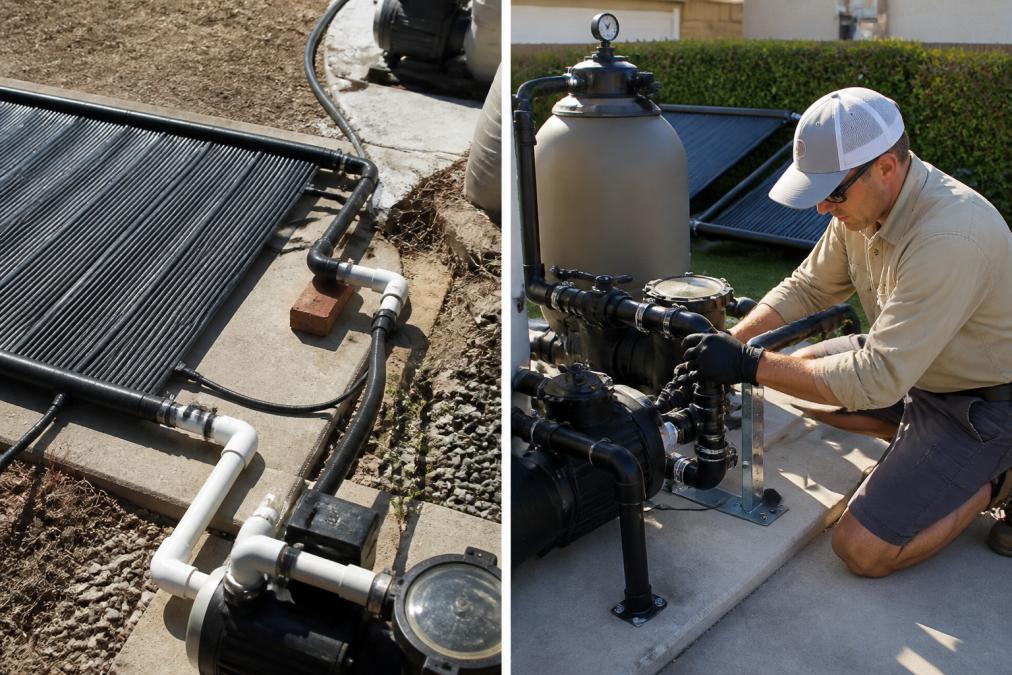
Roof mounting requires structural assessment to ensure your roof can safely support the additional weight of collectors, mounting hardware, and water-filled panels. Professional installers follow building codes, use appropriate flashing and sealing techniques, and ensure load distribution doesn’t compromise roof integrity.
Electrical integration for differential thermostats and flow control systems requires proper wiring, grounding, and safety disconnects. Licensed electricians understand code requirements and safety protocols that DIY installation often overlooks.
Warranty protection is critical. Most manufacturers void warranties on systems installed by non-professionals. Professional installation from Dixie Pool Solar Heating & Misting includes a 2-year labor warranty covering installation-related issues, plus the industry-best 12-year panel warranty.
Energy Savings and Return on Investment
Solar pool heating eliminates operating costs once installed, unlike gas heating that requires ongoing fuel purchases or electric heat pumps that consume electricity continuously. The cost per BTU of thermal energy from solar is zero once the system is operational.
Gas pool heaters typically cost $2,000-$3,000 annually to operate, depending on your pool size, desired temperature, and heating season length. Electric heat pumps cost $1,000-$2,000 yearly in electricity. Solar thermal systems eliminate these recurring expenses entirely, delivering savings that compound year after year.
The payback period, how long until energy savings equal your upfront investment, depends on your system cost, local energy prices, and heating season length. In Southern Utah’s climate where you can extend pool usage from March through November, solar thermal systems often achieve payback within 5-7 years. After payback, you enjoy 13-15+ years of free heating before the system reaches end-of-life.
The no-operating-cost advantage becomes increasingly valuable as energy prices rise. Unlike systems dependent on fuel or electricity, solar thermal heating costs remain constant, zero, regardless of future energy price increases.
Solar Pool Heater Installation Near Me: Finding Local Expertise
Finding qualified solar pool heating installers requires evaluating their experience with thermal systems specifically, not just general pool equipment. Ask potential installers about their experience with collector efficiency ratings, differential thermostat calibration, and thermal system hydraulics. Request references from recent installations and ask about system performance and warranty experience.
Verify licensing and insurance. Pool heating system installation typically requires plumbing licenses, electrical licenses, and sometimes HVAC certification depending on your jurisdiction’s regulations.
Check warranty offerings carefully. The 12-year panel warranty that comes with quality collectors is standard, but installer labor warranties vary considerably. Dixie Pool Solar Heating & Misting provides a 2-year labor warranty on all installations, covering defects and integration issues that arise from installation work.
Local installers understand regional climate patterns, permit requirements, and building code variations that affect your specific installation.
Tax Credits, Rebates, and Incentives
Federal tax incentives for residential solar heating have evolved, and current availability depends on specific system types and timing. Consult current IRS guidance and your tax professional regarding eligibility for any federal credits applicable to your installation year.
State incentives in Utah provide meaningful financial support for solar pool heating. The Utah State 25% tax credit or $2,000 tax credit (whichever is greater) applies to qualifying solar thermal systems, reducing your net investment substantially. Verify current eligibility requirements with the state tax authority, as incentive programs change periodically.
Enbridge Gas offers a $750 rebate for customers who install solar pool heating systems, recognizing the energy savings that reduce overall household energy consumption. This rebate applies to qualifying installations and provides immediate cost reduction at the time of installation.
Local utility companies occasionally offer additional rebates or incentives for energy-efficient pool heating. Contact your local utility to inquire about current programs, as these change frequently and vary by service territory.
Incentive programs typically require documentation of system specifications, installer credentials, and sometimes third-party verification. Working with an experienced installer like Dixie Pool Solar Heating & Misting ensures you navigate incentive requirements correctly and capture all available credits and rebates.
The cost of solar pool heating installation represents a significant but justified investment in long-term pool enjoyment and energy savings. By understanding the factors that influence installation costs, pool size, roof characteristics, regional labor rates, and system sizing, you can make informed decisions about your heating system. Dixie Pool Solar Heating & Misting specializes in solar thermal solutions that deliver reliable heating performance with industry-leading Heliocol panels, a 12-year warranty on all panels, and a 2-year labor warranty covering professional integration. Get a free quote today to understand your specific installation costs and projected energy savings.
Frequently Asked Questions
Is solar heating for a pool worth it?
Solar pool heating offers significant long-term value, especially in regions with consistent sun exposure. Homeowners typically save $1,500-$2,000 annually on heating costs once the system is installed. The payback period depends on your current heating method, pool usage, and available incentives. With a 20+ year lifespan and minimal maintenance, the return on investment becomes increasingly favorable over time. Tax credits and rebates can reduce upfront costs substantially, making the financial case stronger.
How long does a solar pool heater typically last?
Quality solar thermal systems last 20+ years or longer with proper maintenance. Solar glazing and polypropylene panels are designed for durability, and industry-leading brands offer 12-year warranties on panels. The actual lifespan depends on climate conditions, water circulation maintenance, and preventative care. Most homeowners find that their solar pool heating system lifespan extends well beyond the warranty period, making it a stable long-term investment for extending your swimming season.
What factors affect the total cost of solar pool heating installation?
Installation costs depend on pool surface area, roof mounting complexity, roof orientation, and local labor rates. Shading analysis and azimuth positioning affect system sizing and collector efficiency. Permitting fees and HOA requirements vary by region. Plumbing integration with existing pool equipment, differential thermostat installation, and flow control valve setup add to labor costs. Professional installation ensures proper heat transfer and water circulation, which protects your upfront investment.
Should I install a solar pool heater myself or hire a professional?
Professional solar pool heater installation is strongly recommended for most homeowners. Proper system sizing, roof mounting, plumbing integration, and thermal regulation require technical expertise. Professionals handle permitting, ensure compliance with local codes, and provide labor warranties. DIY installation risks improper BTU output, inadequate pump horsepower, and safety issues. Professional installers also help you access tax incentives and rebates that may not apply to DIY projects.
How much can I save on my energy bills with solar pool heating?
Typical energy savings range from $1,500-$2,000 annually, depending on pool size, usage patterns, and climate. Solar heating eliminates operating costs once installed, unlike gas or electric alternatives. A pool cover reduces evaporation and enhances thermal regulation, boosting savings further. The payback period typically ranges from 5-10 years, after which the system generates nearly pure savings. Long-term ROI improves significantly over the 20+ year lifespan of quality panels.
This article was written using GrandRanker


Leave a Reply