Table of Contents
- What Solar Pool Heating Warranty Coverage Actually Includes
- Solar Pool Panel Warranty Exclusions You Need to Know
- Solar Pool Heater Maintenance Requirements That Keep Your Warranty Valid
- Average Lifespan of Solar Pool Heating Systems
- Transferability and Home Warranty Considerations
- How to File a Solar Pool Heating Warranty Claim
- Conclusion
Last Updated: August 23, 2026
What Solar Pool Heating Warranty Coverage Actually Includes
Solar pool heating warranty coverage combines a manufacturer’s guarantee on the solar collector panels with a separate installation warranty covering labor and workmanship. Understanding how these two layers interact is essential before signing anything.
At Dixie Pool Solar Heating & Misting, we field constant questions about warranty coverage. Most homeowners assume one warranty covers everything, it doesn’t. A solar pool heating warranty is only as strong as your understanding of what each policy actually protects.
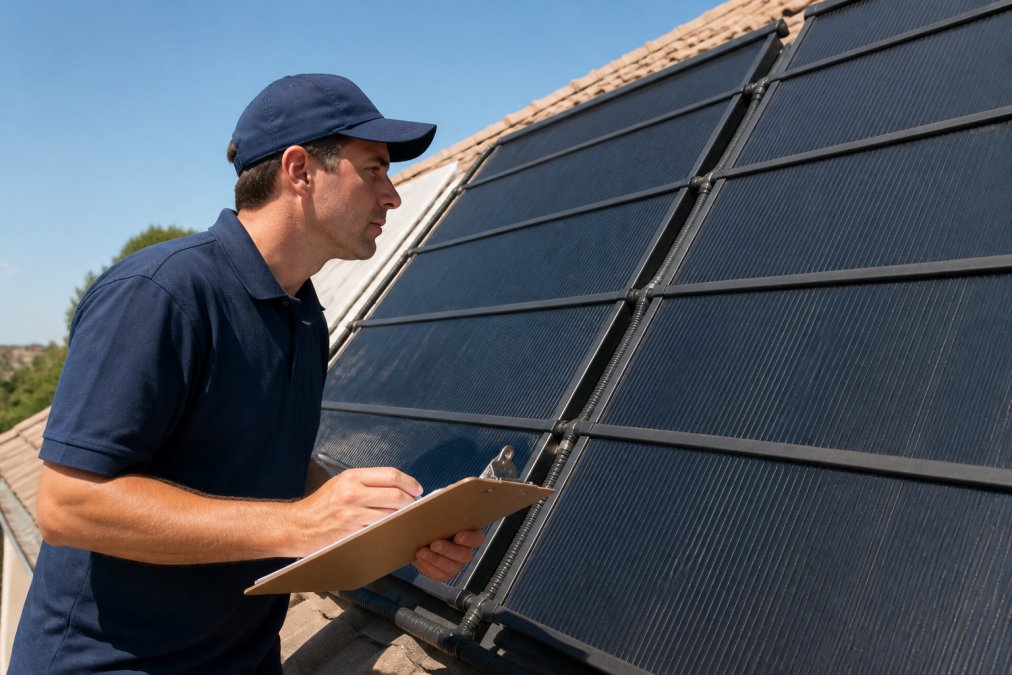
When you know exactly what’s covered, you’re in a much stronger position to maintain that coverage and act quickly when something goes wrong.
Manufacturer Warranty vs. Installation Warranty
These are two distinct documents, and conflating them is the most common mistake homeowners make.
The manufacturer warranty covers material failure and manufacturing defects in the solar collector panels themselves, including defects in polypropylene or rubber materials, UV degradation beyond expected tolerances, and panel degradation outside the manufacturer’s stated performance specifications. Heliocol panels carry an industry-leading 12-year warranty covering manufacturing defects and material failure. The manufacturer warranty does not cover installation quality or roof damage.
The installation warranty is issued by the installing contractor and covers workmanship: plumbing connections, roof penetrations, mounting hardware, valve placement, and system integration. If a fitting leaks due to improper connection, that’s a workmanship issue, not a product defect. Dixie Pool Solar Heating & Misting backs installations with a 2-year labor warranty on all work performed.
The practical implication: if your solar collector develops a manufacturing defect, you contact the manufacturer. If a plumbing connection fails, you contact your installer.
Parts and Labor: What Each Warranty Covers
Most manufacturer warranties cover parts only, the replacement component cost is covered, but you may pay for labor to remove the old panel and install the replacement. Some manufacturers offer combined parts and labor coverage for the first few years, then transition to parts-only coverage.
Ask specifically: "If a panel fails in year eight, does the warranty cover the service call and installation, or just the panel itself?" A service agreement with your installer can fill this gap and provide preventative maintenance records, which matter when filing a claim.
Solar Pool Panel Warranty Exclusions You Need to Know
The fine print in solar pool panel warranty exclusions is where most claims get denied. Manufacturers define coverage carefully, and several categories of damage are almost universally excluded.
Common exclusions include:
- Weather-related damage from hail, falling debris, hurricane-force winds, or flooding, typically routed to homeowner’s insurance
- Improper chemical treatment of pool water causing accelerated degradation
- Pre-existing roof integrity issues that contributed to leaks at roof penetrations
- Unauthorized modifications to the system after installation
- Normal wear and tear on valves, sensors, and controllers with shorter lifespans than panels
According to the U.S. Department of Energy’s guidance on solar water heating systems, understanding specific exclusions before installation is critical to making an informed purchase decision.
How DIY Installation Voids Your Coverage
DIY installation of a solar pool heating system almost universally voids both the manufacturer warranty and any installer warranty. Manufacturer warranties are conditional on installation by a certified technician following manufacturer standards. Without professional certification, you cannot prove roof penetrations were sealed correctly, plumbing connections meet pressure tolerances, or system flow rate matches specifications.
If a panel fails and the manufacturer determines installation deviated from guidelines, the claim is denied. Beyond warranty risk, DIY installation creates liability exposure around roof integrity, a leak at an improperly sealed penetration can cause structural damage neither the manufacturer warranty nor homeowner’s policy will cover cleanly.
Pro-Rated vs. Full Replacement Warranties
A full replacement warranty means covered components are replaced at no cost within the warranty period, regardless of ownership duration. This is the stronger protection.
A pro-rated warranty reduces coverage over time. A panel failing in year ten of a twelve-year pro-rated warranty might be covered at only 20% of replacement costs, with the homeowner absorbing the remaining 80%.
Always ask which structure applies before purchase. The difference in out-of-pocket costs between full replacement and pro-rated claims in later warranty years can be substantial.
Solar Pool Heater Maintenance Requirements That Keep Your Warranty Valid
Preventative maintenance isn’t just good practice, it’s a contractual obligation embedded in warranty terms. Most manufacturer guidelines require:
- Annual inspection of solar collector panels for visible cracking, UV degradation, or blockages
- Regular leak detection checks at plumbing connections and roof penetrations
- Pool water chemistry maintenance within manufacturer-specified ranges
- Debris clearing from panel surfaces
- Winterization procedures following manufacturer guidelines
According to the Solar Energy Industries Association’s resources on solar system maintenance, adhering to manufacturer maintenance schedules is one of the most overlooked requirements for preserving warranty validity.
Neglecting these requirements gives manufacturers grounds to deny claims based on lack of maintenance. "The damage was caused by lack of maintenance" is one of the most common denial reasons.
Documenting Maintenance to Protect Your Claim
Documentation is the difference between a successful warranty claim and a denied one. Most homeowners have no record of maintenance performed, creating serious problems when proving proper care.
A practical documentation system:
- Keep a dated log of every inspection, noting what was checked and its condition
- Photograph solar collector panels annually, including close-ups of wear areas
- Retain all receipts for professional service calls, chemical treatments, and parts replacements
- Store warranty documents, installation records, and manufacturer correspondence together
Request a written service report from certified technicians performing annual inspections. That document is your strongest evidence that maintenance requirements were met.
Create a dedicated folder labeled with your system’s installation date. Store warranty documents, installation photos, annual inspection reports, and maintenance logs there. A single missing document can stall or deny a legitimate claim.
Average Lifespan of Solar Pool Heating Systems
The average lifespan of solar pool heating systems is 20 years or more when properly installed and maintained. This is one of the most compelling arguments for solar pool heating over gas or electric alternatives with significantly shorter replacement cycles.
Solar collector panels made from high-quality polypropylene or EPDM rubber withstand continuous UV exposure, thermal cycling, and pool water chemistry over decades. System longevity depends on panel quality, installation standards, and adherence to maintenance requirements.
Components most likely requiring attention before the panels are valves, sensors, and control systems, which have shorter lifespans and are generally not covered under panel warranties. Budgeting for periodic replacement of these components is realistic planning.
The National Renewable Energy Laboratory’s residential solar technology resources documents that well-maintained solar thermal systems consistently achieve 20-plus-year service lives, making them one of the longer-lived home energy investments available.
A solar pool heating system installed today with a 12-year panel warranty should continue delivering thermal efficiency well beyond that warranty period. The warranty is a floor, not a ceiling.
| Maintenance Task | Recommended Frequency | Warranty Impact |
|---|---|---|
| Visual panel inspection | Annually | Required to maintain coverage |
| Leak detection check | Annually | Required to maintain coverage |
| Pool water chemistry test | Monthly | Required per manufacturer guidelines |
| Debris clearing from panels | As needed / seasonally | Best practice; may affect claim outcome |
| Professional service inspection | Every 1-2 years | Strongest documentation for claims |
| Plumbing connection check | Annually | Required to maintain coverage |
Transferability and Home Warranty Considerations
Manufacturer warranty transferability varies by brand. Some allow panel warranty transfer to new homeowners with no action required. Others require formal notification within a set period after sale, and some do not permit transfer at all. Check your specific documentation.
If your solar pool heating system’s manufacturer warranty is transferable, it becomes a genuine selling point. A home with a functional system and remaining panel warranty is more attractive to buyers.
Home warranty vs. manufacturer warranty is separate. A home warranty typically covers mechanical failures of home systems and appliances. Most home warranty plans do not cover solar pool heating systems, or cover them only partially, excluding solar collector panels and limiting coverage to pump and control components.
Read your home warranty contract carefully before assuming it provides backup protection for your solar pool heating system. In most cases, the manufacturer and installation warranties are your primary protections.
Do not assume your home warranty covers your solar pool heating system. Most standard contracts explicitly exclude solar thermal equipment or limit coverage to conventional mechanical components. Verify in writing before relying on it as a fallback.
How to File a Solar Pool Heating Warranty Claim
Filing a solar pool heating warranty claim correctly the first time matters. A disorganized or incomplete claim gives the manufacturer or installer grounds to delay or deny coverage.
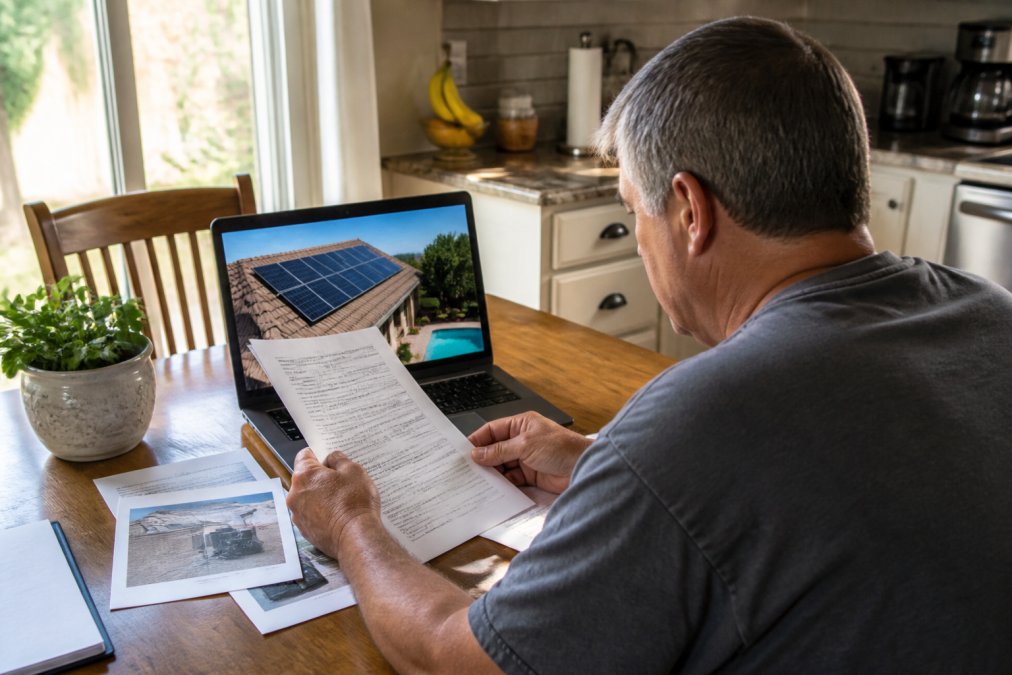
Follow these steps when a covered failure occurs:
-
Identify which warranty applies. Is the issue a material failure in the panels (manufacturer claim) or a workmanship issue with plumbing or roof penetrations (installation warranty claim)?
-
Document the failure before touching anything. Photograph the problem in detail from multiple angles. Do not attempt repairs before documenting.
-
Gather your maintenance records. Pull your inspection log, service reports, and maintenance receipts.
-
Contact the warranty holder in writing. Email creates a time-stamped record. Describe the failure, reference your warranty documentation, and attach photos and maintenance records.
-
Request written confirmation of receipt and ask for a clear review timeline.
-
Schedule any required site inspection promptly. Delays on your end can be used to argue the issue worsened due to inaction.
-
If the claim is denied, request the specific reason in writing. Many denials are based on missing documentation rather than actual exclusions. A well-documented resubmission often succeeds.
The single most common reason valid warranty claims are denied is missing maintenance documentation. Without records proving proper maintenance, the manufacturer has grounds to attribute failure to neglect rather than a manufacturing defect.
Understanding your solar pool heating warranty is an ongoing responsibility that protects a significant investment over decades of use.
Navigating warranty coverage on your own can feel overwhelming. Dixie Pool Solar Heating & Misting takes a different approach: our installations use Heliocol industrial-grade panels backed by an industry-best 12-year warranty, and our team provides a 2-year labor warranty on all installation work. We document every installation thoroughly so your warranty starts on solid ground. Get a free quote from Dixie Pool Solar Heating & Misting and start your system with coverage you can actually rely on.
Frequently Asked Questions
How long does a solar pool heater typically last?
A well-installed solar pool heating system typically lasts 20 years or more. Heliocol panels, for example, are built to an industrial standard that supports that 20-plus year lifespan. System longevity depends on installation quality, regular preventative maintenance, and using a certified technician for any repairs. Panels that are professionally installed and inspected annually consistently outperform systems that go without routine care.
What common actions void a solar pool panel warranty?
The most common solar pool panel warranty exclusions include DIY installation, using uncertified technicians for repairs, skipping annual inspections, and failing to follow manufacturer guidelines for water chemistry and flow rates. Physical damage from improper roof penetrations, unauthorized modifications to plumbing connections, and neglecting leak detection can also void coverage. Always keep records of every service visit so you can demonstrate compliance if you ever need to file a warranty claim.
Does a standard home warranty cover solar pool heating systems?
Standard home warranties rarely cover solar pool heating systems. Most home warranty service agreements focus on HVAC, plumbing, and appliances inside the home. A solar pool heating system is covered by two separate warranties: the manufacturer warranty on the solar collector panels themselves, and the installation warranty provided by your installer. These are distinct from any home warranty policy, so review both documents carefully before assuming you have full coverage.
What is the difference between a manufacturer warranty and an installation warranty?
A manufacturer warranty covers material failure and manufacturing defects in the solar collector panels themselves. An installation warranty, provided by the installer, covers workmanship, meaning issues that arise from how the system was set up, including roof penetrations, plumbing connections, and system integration. Dixie Pool Solar Heating & Misting backs its installations with a 2-year labor warranty, while Heliocol panels carry a 12-year warranty. Both types of coverage are necessary for complete solar pool heating warranty protection.
This article was written using GrandRanker


Leave a Reply