Table of Contents
- How Residential Pool Cooling Systems Work
- Types of Pool Cooling Systems: Evaporative vs. Mechanical
- Pool Heat Pump vs. Chiller: Which Is Right for You?
- How to Lower Pool Water Temperature
- Pool Chiller Installation Cost and Considerations
- Maintenance and Winterization for Long-Term Performance
- Environmental Impact and Sustainability Benefits
- Smart Home Integration and Thermostat Control
Last Updated: August 30, 2026
How Residential Pool Cooling Systems Work
Residential pool cooling systems regulate water temperature by removing excess heat through mechanical or evaporative processes. The system circulates pool water through a heat exchanger or evaporative pad, where thermal energy transfers away before returning to the pool. Most systems integrate directly into existing pool plumbing, using the same circulation pump that filters your water.

As water flows through the cooling device, ambient air absorbs heat from the warmer pool water. In mechanical systems, refrigerant-based technology amplifies this process using a compressor and condenser coil. Evaporative cooling relies on the natural cooling effect of water evaporation, making it simpler but less effective in humid climates.
A thermostat monitors water temperature and triggers the cooling system when water exceeds your set point. Once the pool reaches your desired temperature, the system cycles off automatically. Efficiency depends on ambient air temperature, humidity levels, pool size, surface area exposed to sun, and the BTU capacity of your equipment.
Types of Pool Cooling Systems: Evaporative vs. Mechanical
Evaporative Cooling
Evaporative cooling allows water to pass over a wet pad where air moves through it. As air crosses the wet material, water evaporates, carrying heat away from your pool water. This process is most effective in dry climates with low humidity and high temperature differentials.
The main advantage is simplicity and low operating costs. These systems use minimal electricity, often just powering a fan and water circulation. Installation is straightforward since the equipment requires fewer complex refrigeration components. Maintenance involves basic cleaning of the evaporative pad and ensuring water flow remains unobstructed.
However, evaporative cooling has significant limitations in humid environments. When ambient humidity is high, the evaporation rate slows dramatically, reducing cooling effectiveness. You can expect a temperature drop of 5-15 degrees Fahrenheit under ideal conditions, but this varies significantly based on climate (peer-reviewed research). For pools in very hot, dry areas, evaporative cooling may be sufficient. For moderate climates or areas with high humidity, mechanical systems provide more reliable performance.
Mechanical Heat Pump Systems
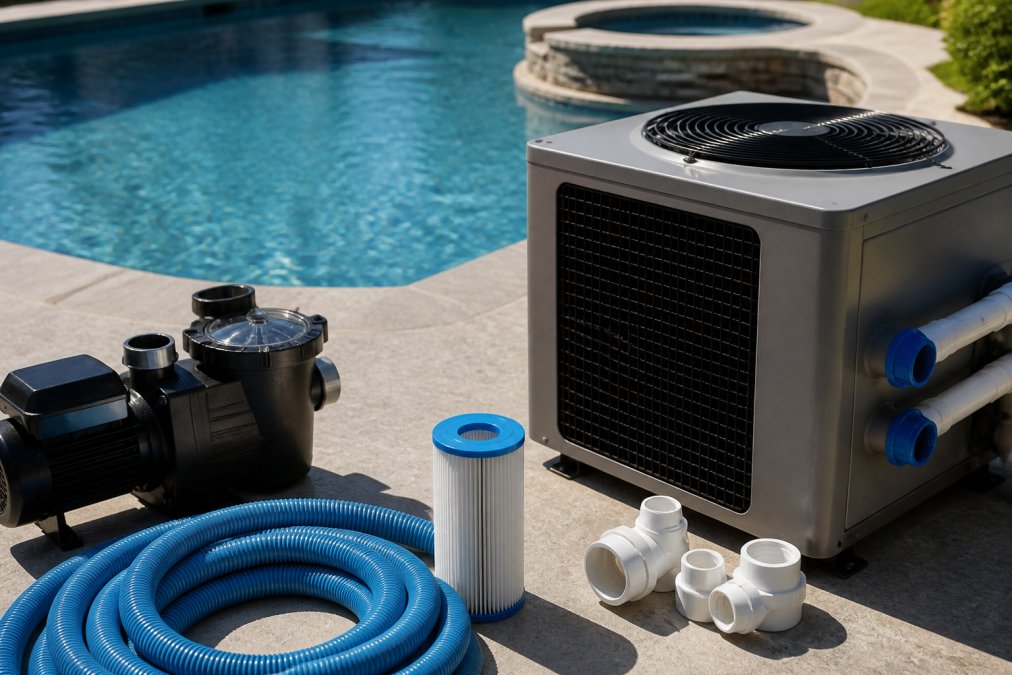
Mechanical heat pump systems use refrigerant-based technology to extract heat from pool water and transfer it to surrounding air. A compressor pressurizes the refrigerant, which flows through an evaporator coil connected to your pool circulation system. As refrigerant circulates, it absorbs heat from the pool water, then releases that heat through a condenser coil in the air.
Heat pumps excel at maintaining precise water temperatures across varying seasonal conditions. They operate efficiently even when ambient air temperatures are moderate, making them suitable for spring and fall swimming seasons. A well-sized heat pump can achieve a coefficient of performance (COP) of 4 to 6, meaning it delivers 4-6 units of heat for every unit of electrical energy consumed (energy.gov).
Installation of mechanical heat pump systems requires professional expertise. The equipment must be properly sized to your pool’s volume and surface area, with adequate water circulation and electrical infrastructure. The compressor generates noise, so equipment placement away from living areas is important. Winterization procedures are necessary in colder climates to protect the refrigerant lines and compressor from freezing damage.
Dedicated Chillers with Refrigerant-Based Technology
Dedicated chillers represent the premium option for pool cooling, offering maximum temperature reduction capability. These systems use refrigerant-based heat exchange technology with larger compressors and enhanced cooling capacity. Chillers can reduce pool water temperature by 20-30 degrees Fahrenheit or more, depending on the unit size and ambient conditions.
Chillers maintain extremely stable water temperatures and can cool pools to competitive swimming temperatures even in hot climates. The tradeoff is significant cost and energy consumption. Installation complexity is high, requiring professional design and integration with your pool’s mechanical systems. For most residential applications, dedicated chillers are unnecessary unless you have specific requirements like maintaining 78-degree water throughout a scorching desert summer.
Pool Heat Pump vs. Chiller: Which Is Right for You?
The choice between a heat pump and a chiller depends on your climate, cooling requirements, and budget. Heat pumps deliver excellent performance for most residential pools, maintaining comfortable temperatures while managing energy costs effectively. They work well in spring, summer, and early fall when ambient temperatures remain moderate to warm.
Heat pumps excel when your goal is extending your swimming season by 2-3 months on either end of summer. They maintain 80-85-degree water comfortably without excessive energy consumption. Chillers become necessary only when you need extreme cooling capacity or want to maintain 72-degree water during peak summer heat.
Consider your actual usage patterns. If you use your pool primarily during summer months when water naturally stays warm, cooling may be unnecessary. If you want to extend your season into March and November when nights cool the water significantly, a heat pump makes financial sense. Professional assessment of your specific situation is valuable. At Dixie Pool Solar Heating & Misting, we help homeowners understand these tradeoffs and select solutions aligned with their budget and usage patterns.
| System Type | Temperature Drop | Operating Cost | Best For | Climate Suitability |
|---|---|---|---|---|
| Evaporative Cooling | 5-15°F | Very Low | Dry climates | High heat, low humidity |
| Heat Pump | 10-20°F | Moderate | Extended seasons | Mild to warm climates |
| Dedicated Chiller | 20-30°F | High | Extreme cooling | Hot climates, competitive use |
How to Lower Pool Water Temperature
Passive Cooling Methods
Shade is the most effective passive cooling approach. Installing shade structures or planting deciduous trees on the west side can reduce solar heat gain significantly, lowering water temperature by 5-10 degrees Fahrenheit during peak afternoon hours.
Nighttime cooling occurs naturally when air temperature drops below water temperature. Running your circulation pump during cool evening and early morning hours lets the water lose heat to the cooler air. Reducing circulation during the hottest parts of the day prevents your pump from adding mechanical heat to the water.
Evaporation removes heat from your pool surface constantly. Covering your pool during the hottest parts of the day with a light-colored cover reduces solar gain while allowing some evaporative cooling, lowering temperatures by 3-5 degrees.
Active Cooling Systems
Heat pumps represent the most practical active cooling solution for residential pools. They operate on a schedule you set through the thermostat, automatically cooling when water temperature exceeds your target. A properly sized heat pump can reduce water temperature by 10-20 degrees Fahrenheit depending on ambient conditions.
Mechanical chillers provide maximum active cooling capacity but at higher cost. Running your circulation system during cooler hours supports active cooling equipment, as most systems work more efficiently when ambient air is cooler.
Water feature additions like fountains or waterfalls create surface agitation that increases evaporation and heat loss. While these don’t dramatically lower temperature, they contribute to overall cooling when combined with other methods.
Pool Chiller Installation Cost and Considerations
Installation Requirements and Equipment Pad Setup
Installing a pool cooling system requires careful planning and professional expertise. The equipment pad must be level, stable, and positioned away from living areas due to compressor noise. Concrete pads should be at least 4 inches thick and properly graded to prevent water pooling around equipment.
Water circulation connections must integrate seamlessly with your existing pool plumbing. The cooling equipment connects to your pool’s return line, pulling water through the heat exchanger before returning it to the pool. Professional installation ensures proper piping, valve placement, and pressure relief protection.
Electrical infrastructure must support the cooling system’s power requirements. Heat pumps typically require 240-volt service with dedicated circuit protection (nfpa.org). A licensed electrician should assess your home’s electrical panel and install appropriate wiring and breakers.
Thermostat installation allows automated temperature control. Modern thermostats offer scheduling features and some integrate with smart home platforms, enabling remote monitoring and control through mobile apps.
Energy Consumption and Operating Costs
Heat pumps typically consume 1-3 kilowatts during operation, depending on the temperature differential between pool water and ambient air. A system running 4-6 hours daily during cooling season might add $20-60 monthly to your electricity bill, though this varies by local electricity rates and system efficiency.
Chillers consume more energy than heat pumps, typically 3-5 kilowatts or more, with monthly operating costs reaching $100-200 during peak cooling season. Evaporative cooling systems consume minimal electricity, typically just a small fan motor, with monthly operating costs around $5-15.
Proper system sizing is critical for cost management. An oversized system cycles on and off frequently, wasting energy. An undersized system runs continuously without reaching target temperature, also wasting energy. Professional sizing analysis ensures your equipment matches your pool’s actual cooling needs.
Scheduling cooling system operation during off-peak electricity hours can reduce operating costs significantly. Many utility companies offer lower rates during early morning or late evening hours. Programming your thermostat to take advantage of these windows optimizes both comfort and cost.
Maintenance and Winterization for Long-Term Performance
Regular maintenance preserves cooling system efficiency and extends equipment lifespan. Monthly inspections should check for visible leaks, unusual noise, or performance changes. Clean the condenser coil quarterly to remove dust and debris that reduce heat transfer efficiency.
Water chemistry affects cooling system components. Properly balanced pool chemistry prevents corrosion of copper tubing and refrigerant lines. Maintain appropriate chlorine levels, pH balance, and alkalinity according to standard pool maintenance guidelines.
Winterization protects cooling equipment in cold climates. Before freezing temperatures arrive, drain water from external lines and protect exposed piping with insulation. Spring startup involves flushing lines, checking refrigerant levels, and verifying all electrical connections before running the system. Annual professional maintenance typically costs $150-300 but prevents costly repairs later.
Never attempt refrigerant service yourself. Federal regulations require EPA certification to handle refrigerants. Always hire licensed technicians for refrigerant-related maintenance.
Environmental Impact and Sustainability Benefits
Pool cooling systems have environmental implications worth considering. Modern refrigerants have lower global warming potential than older alternatives, and sealed systems with professional maintenance rarely leak.
Energy consumption drives the primary environmental concern. Electricity generation often relies on fossil fuels, meaning cooling system operation indirectly contributes to carbon emissions. Choosing energy-efficient equipment and operating systems strategically during cooler hours minimizes environmental impact.
Evaporative cooling systems have minimal environmental impact since they use only water and electricity for the fan. Heat pumps represent a reasonable compromise between performance and environmental responsibility, transferring existing heat rather than generating it.
Solar thermal energy offers an alternative approach to pool temperature management. Solar heating systems capture thermal energy from the sun, warming pool water during cooler months. This complements cooling systems by reducing heating demands during spring and fall.
At Dixie Pool Solar Heating & Misting, we specialize in solar thermal solutions that reduce energy consumption for pool heating. Our Heliocol panels harness natural solar energy, eliminating operating costs for heating while extending your swimming season sustainably.
Smart Home Integration and Thermostat Control
Modern pool cooling systems integrate with smart home platforms, enabling remote monitoring and automated control. WiFi-enabled thermostats allow you to adjust temperature settings from your smartphone, whether you’re at home or away.
Scheduling features let you program cooling cycles based on time of day, day of week, or season. You might schedule aggressive cooling during afternoon hours when solar heat peaks, then reduce operation during cooler evenings. Integration with voice assistants enables hands-free control.
Data analytics provided by smart systems help you understand cooling patterns and energy usage. Reviewing historical data reveals which times of day consume most energy, allowing you to adjust schedules for maximum efficiency.
Managing pool water temperature effectively extends your swimming season and maintains thermal comfort year-round. The right cooling system depends on your climate, pool characteristics, and budget. Heat pumps deliver excellent performance for most residential situations, balancing cooling capacity with reasonable operating costs.
Dixie Pool Solar Heating & Misting helps homeowners in Southern Utah achieve optimal pool temperatures through sustainable solar thermal solutions. Our Heliocol panels provide cost-effective heating that reduces energy bills while extending your swimming season from March through November. Combined with strategic cooling approaches, our systems create year-round temperature management that maximizes your pool enjoyment. Get a Free Quote and discover how solar thermal energy can transform your pool experience while supporting environmental sustainability.
Frequently Asked Questions
How much does a residential pool cooling system cost?
Costs vary significantly based on system type, pool size, and installation complexity. Heat pump systems typically cost less upfront than dedicated chillers, but chillers offer faster temperature reduction. Installation expenses depend on your pool's plumbing layout and equipment pad requirements. Contact Dixie Pool Solar Heating & Misting for a free quote tailored to your specific pool and cooling needs.
What's the most affordable way to lower pool water temperature?
Passive methods like shade structures and water circulation are budget-friendly starting points. For active cooling, heat pumps offer better energy efficiency and lower operating costs than dedicated chillers, making them more economical long-term. However, if you need rapid temperature drop, a dedicated chiller provides faster results despite higher energy consumption. Your climate and usage patterns determine which approach delivers the best value.
How does a heat pump compare to a dedicated chiller for pool cooling?
Heat pumps are more energy-efficient and cost less to operate, making them ideal for moderate cooling needs and warmer climates. Dedicated chillers use refrigerant-based technology to achieve faster, more aggressive temperature reduction, but consume significantly more electricity. Heat pumps work best when ambient air temperature is above 50°F, while chillers perform consistently regardless of weather. Your climate, desired temperature drop, and operating budget should guide your choice between these two pool cooling technologies.
What maintenance does a pool cooling system require?
Most systems require seasonal adjustments and winterization before cold months. Check water chemistry regularly, as cooling systems interact with pool water circulation and filtration. Clean intake vents and ensure proper airflow around the compressor. Professional inspection annually helps catch issues early. Proper maintenance extends operational efficiency and protects your investment in the cooling equipment pad and integrated plumbing.
This article was written using GrandRanker


Leave a Reply